But many companies struggle to recognize them early because evaluations are often based on subjective opinions, personal bias, or incomplete data. With an integrated ERP HR system, businesses can objectively assess employee potential using real performance metrics, development history, and behavioral data — not assumptions.
Why This Topic Matters
Without structured data, decisions about promotions, talent development, and leadership planning become risky and inconsistent. Many talented employees remain unnoticed, while those with lower performance may receive opportunities simply because they are more visible or vocal. ERP changes this by building a data-driven foundation for identifying and developing internal talent.
How ERP Helps Detect High-Potential Employees
1. Performance Tracking Based on Real Data
ERP systems like Odoo record measurable performance outcomes — targets achieved, KPI results, project contributions, and completed tasks. Leaders can analyze productivity trends over time to see who consistently performs above expectations.
2. Structured Appraisal & Evaluation Processes
Instead of manual or biased evaluations, ERP provides standardized appraisal workflows with scoring, feedback forms, and performance matrices. This ensures fairness and transparency when assessing employee potential for leadership roles or promotion paths.
3. Training & Skill Development Monitoring
ERP tracks participation in internal training, certifications, and development programs. A high-potential employee is usually proactive in learning — and ERP provides visibility into initiative levels, training progress, and competency improvements.
4. Behavior and Attendance Analytics
High-potential employees typically demonstrate responsibility, commitment, and discipline.
ERP attendance and behavior reports reveal patterns such as:
- Consistent punctuality
- Minimal absence issues
- Positive feedback from peers and managers
Data like this helps distinguish strong performers from average ones.
5. Smart Analytics to Predict Future Performance
ERP combines historical performance and training data to identify trends and forecast potential.
Managers can view talent dashboards that highlight employees who demonstrate fast skill growth, leadership capability, and consistent improvement.
6. Succession Planning and Role Mapping
With ERP, HR can map employees to future strategic roles based on data insights. This enables smarter decisions when filling key positions — reducing dependency on external recruitment and improving internal career development.
Connection With Odoo Batam & SGEEDE
At SGEEDE, we help businesses implement Odoo HRM + Performance Management, enabling leaders to detect high-potential employees early and cultivate them with a structured, measurable approach.
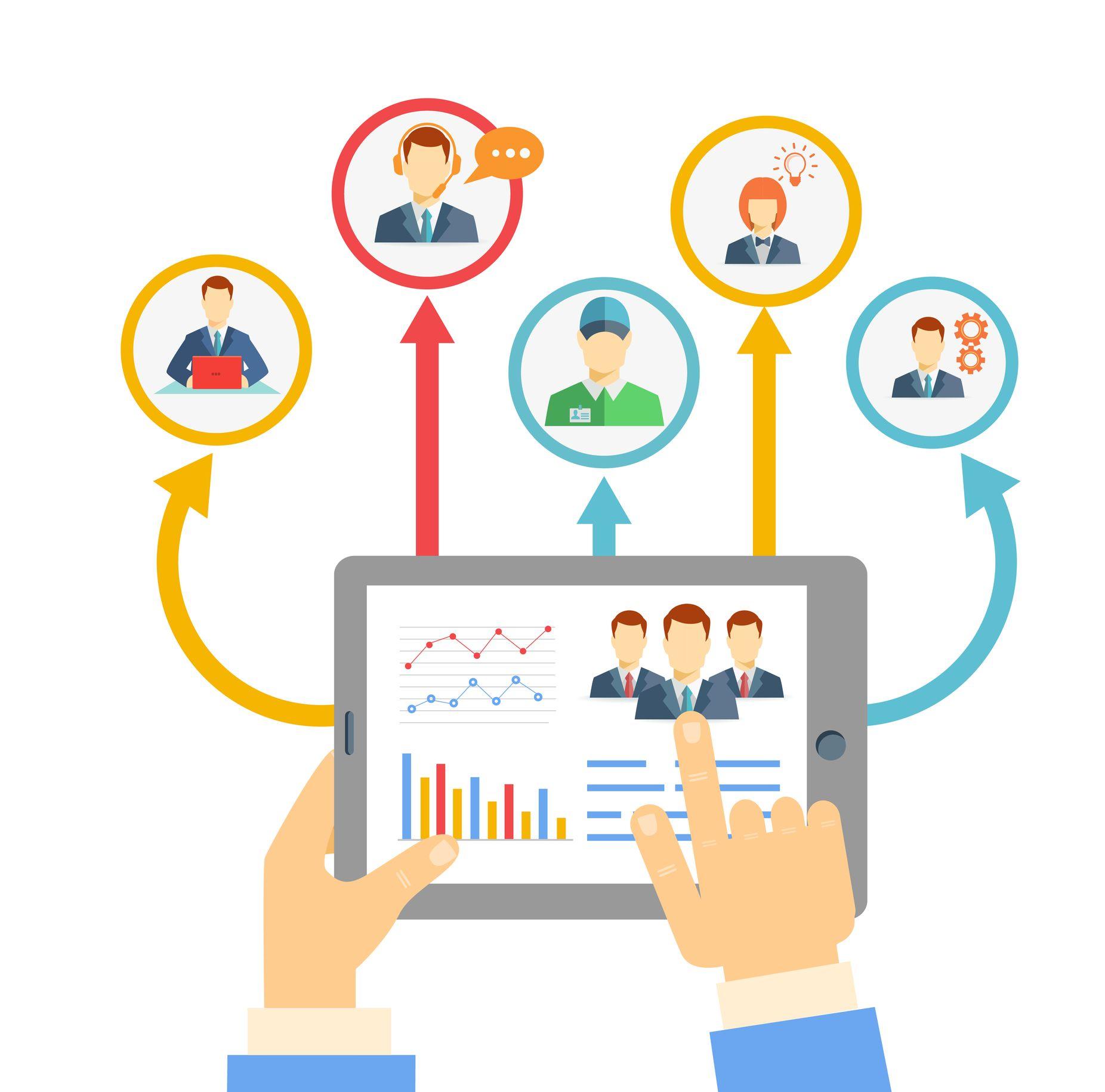
With centralized data and automated reporting, companies gain full visibility into talent development without manual tracking or bias.
Conclusion
Recognizing high-potential employees shouldn’t rely on luck or assumptions. With ERP, businesses can identify talent objectively, support professional growth, and build a strong leadership pipeline.
Data-driven HR means better decisions, stronger teams, and faster business growth — powered by Odoo and SGEEDE.